


CASE STUDIES
Background
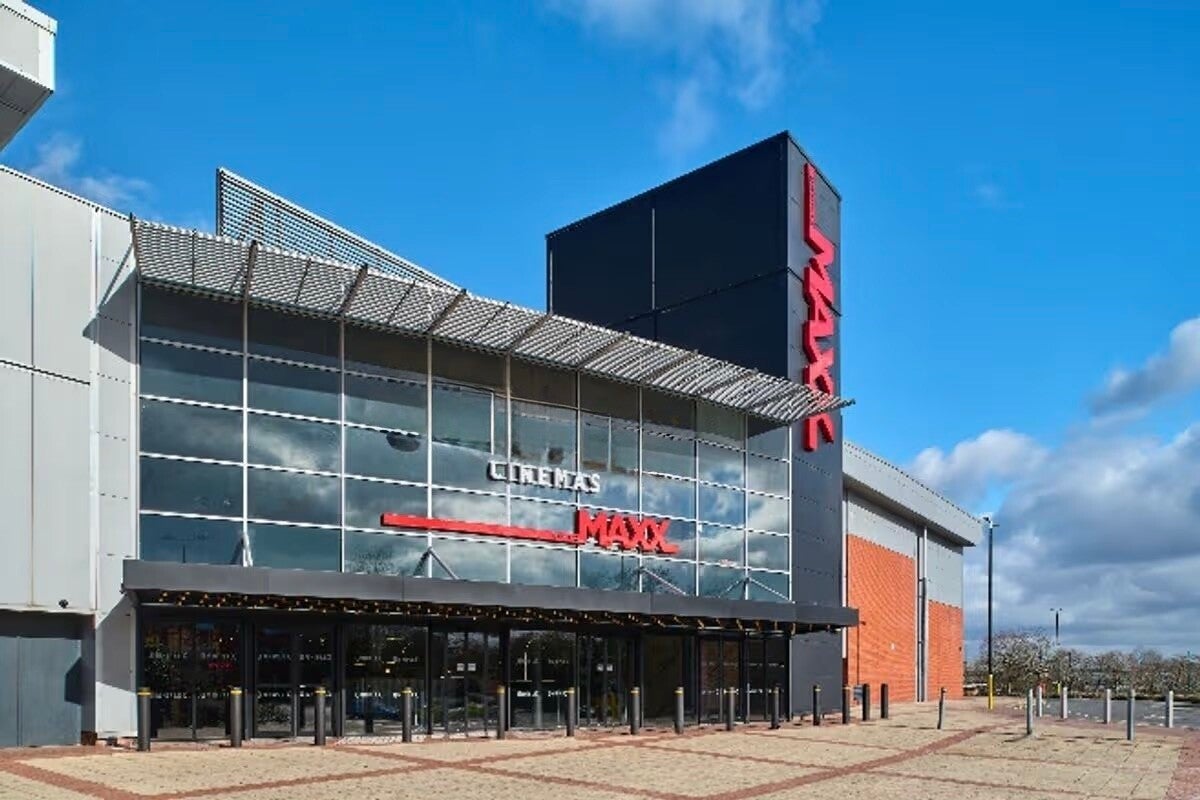
A large national Cinema complex, in this instance in the West Midlands had been struggling with historic leaks throughout there building for several years. The leaks were evident throughout the building from the foyer to maintenance cupboards, screening rooms and corridors. Multiple companies had attended and carried out remedial repairs to areas they believed were the cause of the leaks and considerable costs have ensued, ultimately the leaks remained. ELDS were contacted by there nominated roofing company to identify the causes. The buildings roofing construction was a combination of Interlocked Profiled Aluminium panels and single ply membrane.
The Problem
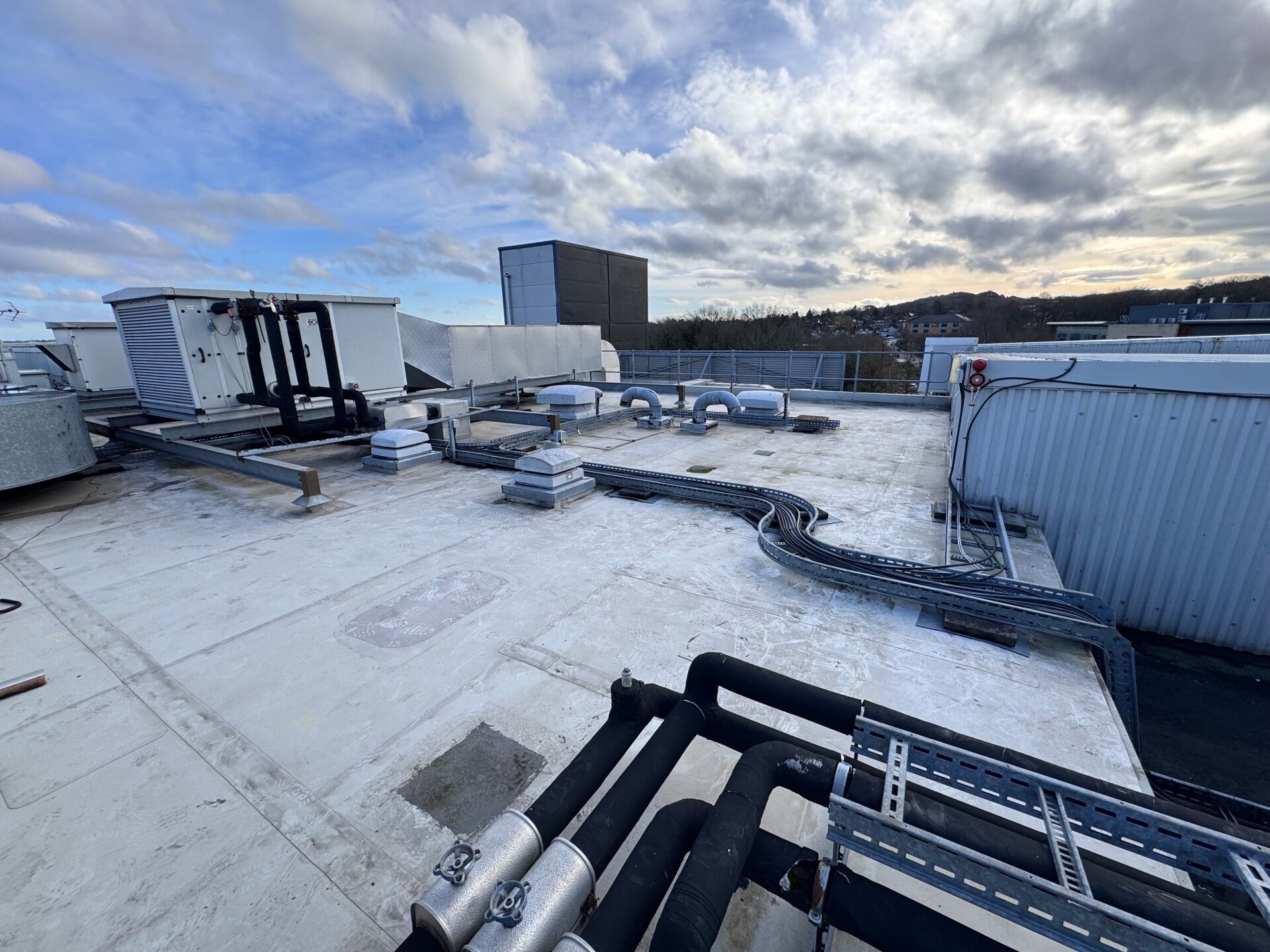
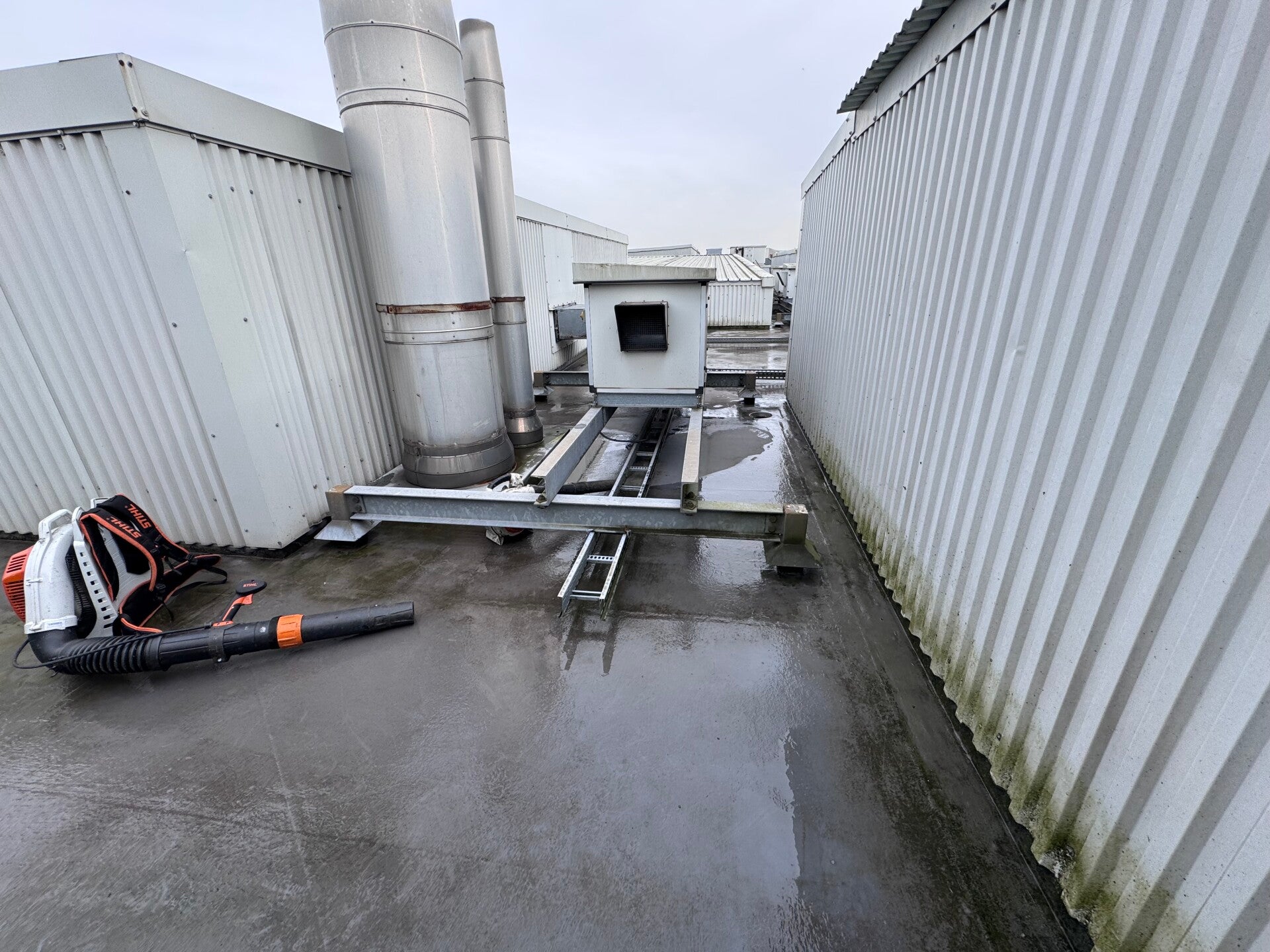
ELDS spoke with the roofing company and reviewed the roofing schematics to form a basis of testing. On arrival we found the single ply membrane was used as a lower roof section between the slightly pitched aluminium roof areas. The single ply roofs also housed the plant equipment for the building and was clearly a trafficked area for maintenance workers. As it was the lower section it also doubled as the rain water run off for the aluminium roofs utilising the outlets in these areas. We found these areas to hold vast amounts of ponding water in particular where outlets had been blocked. We decided that an electronic dry test would be the most accurate test option given to the conditions of the areas previously identified having multiple ducting and general building plant equipment. A day was spent evacuating the water and ensuring the outlets could flow freely. During this time we noted multiple previous repairs in various standards all of which were in a poor condition.
The Solution
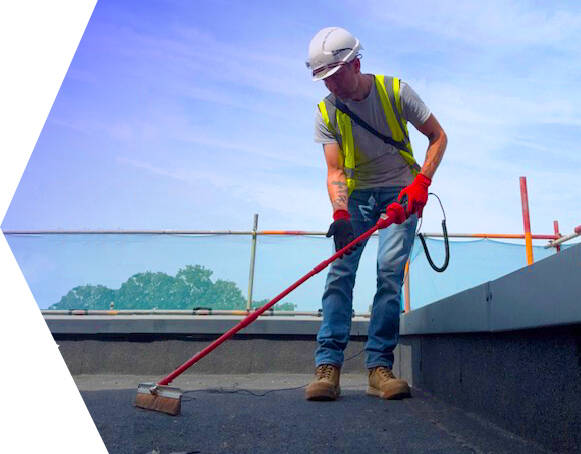
As stated above it was decided an electronic dry test would be the most efficient and precise test method. We carried out a small test initially to confirm the membrane and underlying insulation was suitable for the proposed test method and with these results confirming our initial thoughts we proceeded. The electronic dry test is well suited to single ply membranes. With this test method we are able to identify pin holes in the membrane that would not be visible by eye. We sectioned the areas and began testing finding multiple damages across the single ply membrane. In addition to the damages we found we also found that previous repairs had failed. In particular this was where a liquid membrane had been applied poorly over the original single ply and had not been fully terminated allowing peeling and severe degradation to occur and allow water ingress underneath these repaired areas.
The Result
The testing took two days to complete due too weather constraints and the importance of ensuring 100% accuracy for both the client and our customer. The electronic dry test resulted in us finding 82 previously unfound penetrations through the single ply membrane. In Addition to the damages found by us we also identified multiple historic repairs that were not suitable or had degraded to the point or being redundant. We also found in places where the air ducting passed through the roof that some detail areas had failed and also some additional cabling that had been installed had been finished poorly allowing for water ingress. All of our faults were highlighted on the roof membrane and numbered accordingly, these were then photographed and recorded in the report as well as the accompanying 3d scan to highlight the areas to be addressed.


